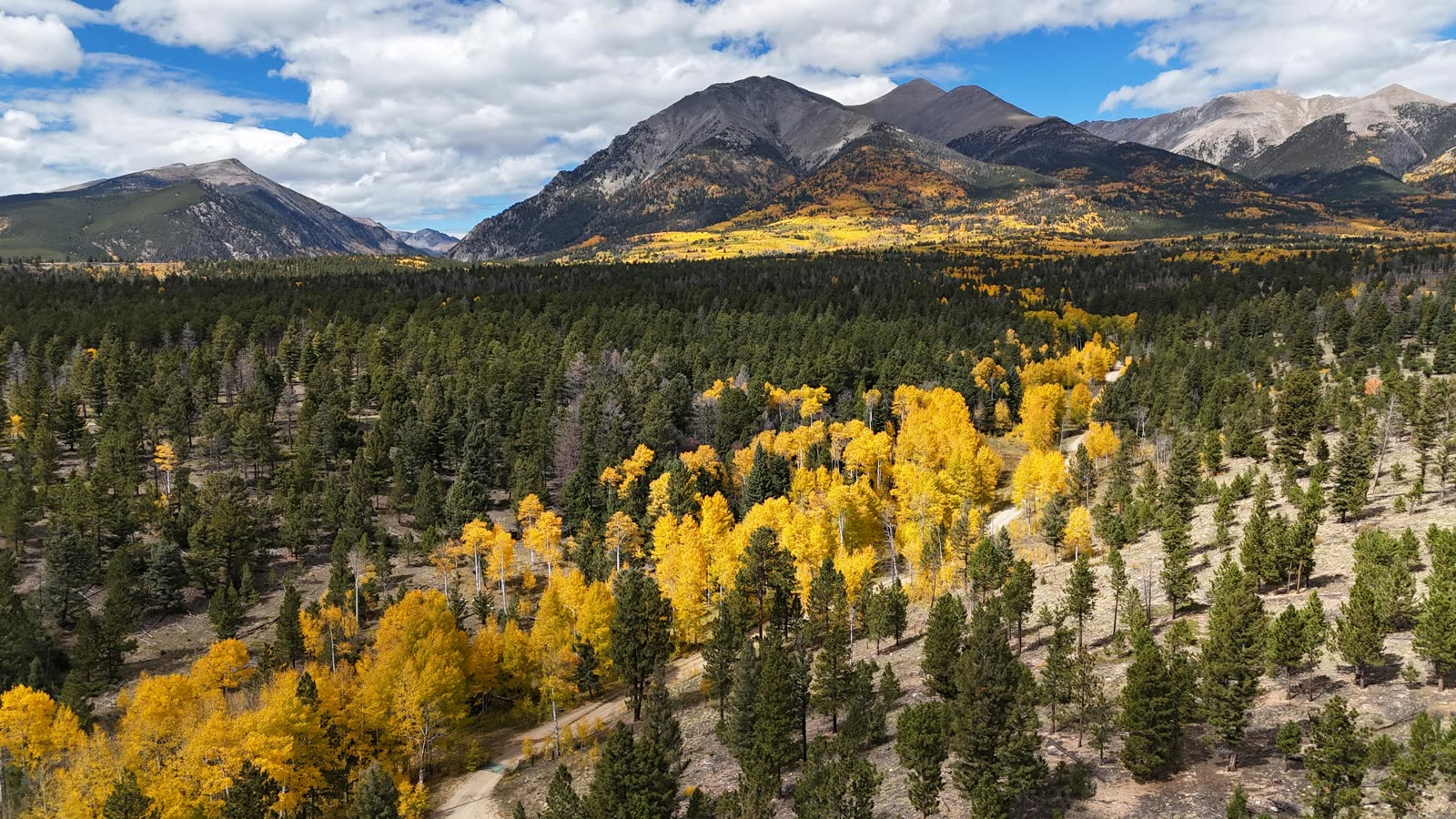
Aspen is famously expensive — and famously stocked with free things, if you know where they are. This is what costs zero dollars, what the locals actually use, and what the chamber's brochure leaves out about why these things are free.
A working theory about Aspen: the more expensive a place becomes, the more its civic institutions feel obligated to give things away. The Aspen Music Festival hosts more free concerts than ticketed ones; the Art Museum has no admission charge; the most photographed hike in Pitkin County costs nothing; and the public bike system is free for short trips. The town has a lodging tax that funds it, and a self-consciousness about exclusivity that helps keep it honest. None of this is a secret, but a surprising number of visitors arrive without knowing it and never find out.
What follows is a working list, organized roughly by category. It is not a budget guide — for that, read Aspen on a Budget, which deals with the dining and lodging math. This is purely the free side of town.
The Free Music.
The Aspen Music Festival and School has been running since 1949, and a remarkable proportion of its programming is open to the public at no cost. Most of the famous orchestra performances inside the Michael Klein Music Tent are ticketed — but the listening lawn outside the tent is free, with comparable sound, room to bring a picnic, and a different (and arguably better) atmosphere. The Sunday afternoon 4 p.m. concerts on that lawn are a fixture of the Aspen summer.
Beyond the official AMFS schedule, festival students play around town for free — most reliably on the pedestrian malls and outside Paradise Bakery in the evenings. These are not student showcases; they are world-class players honing their repertoire for the price of nothing.
- AMFS Listening Lawn (free) Outside the Michael Klein Music Tent on the Aspen Institute campus. The 4 p.m. Sunday concerts are the easy entry point — bring a blanket and a picnic. Many weekday and weekend performances also have free outside access; check the AMFS calendar for the "free" filter.
- Bluegrass Sundays atop Aspen Mountain (effectively free) Sunday afternoons through the summer, 12–3 p.m., on the Sundeck patio at 11,212 ft. Free with a Silver Queen Gondola ticket (~$22 sightseeing) — or completely free if you hike up the Ute Trail (steep, water needed).
- Classical Saturdays atop Aspen Mountain Saturday afternoons at 1 p.m. in the concert meadow off the top of the gondola. AMFS students perform a classical program. Same gondola ticket as Bluegrass Sundays.
- Snowmass Free Concert Series Thursday evenings, late June through August, on Fanny Hill in Snowmass Village. No tickets. Outside food is welcome (no outside alcohol — the volunteer-run bar funds the series). Running for thirty-plus years.
- AMFS students around town Most consistently on the pedestrian malls and near Paradise Bakery in the early evening. Unannounced; you find them by walking through downtown.
- Aspen Saturday Market Live music as part of the market, every Saturday June 6 through October 4, 8:30 a.m. to 2 p.m.
The Free Museums and Galleries.
The Aspen Art Museum charges no admission, period. It is a serious contemporary art museum in a small mountain town, and it is a strange thing — three floors of changing exhibitions, a free rooftop deck with a view of Aspen Mountain that you would otherwise pay for in a restaurant, and a rotating exhibition program that consistently brings in significant artists. They host curator talks, opening receptions, and a rooftop DJ series some summer evenings, also free.
The galleries clustered downtown around Galena Street and on the malls are also free to walk through. Some are commercial — Casterline | Goodman, Galerie Maximillian, Gallery 1949, Hexton Gallery — and some are nonprofit. Even the commercial galleries welcome browsers; this is part of Aspen's art-market culture and the gallerists are happy to talk about the work.
The Free Outdoors.
The single best free thing east of Aspen is the Grottos. Eight miles up Highway 82 toward Independence Pass, a short series of trails leads to ice caves, granite slabs, and waterfalls. No fees, no permits, no reservation system — just park at the trailhead and walk in. Most visitors are at the caves within ten minutes of leaving the car. The road to Independence Pass is itself one of the great free drives in Colorado — open Memorial Day through late October, 12,095 feet at the top, with several pullouts and an old ghost town along the way.
The John Denver Sanctuary, just north of downtown in Rio Grande Park, is the other essential free stop in town. A garden of native plants, a series of large river boulders etched with Denver's lyrics, and a quiet path along the Roaring Fork River. Locals run through it; tourists rarely find it.
- The Grottos · 8 miles east of Aspen, on Independence Pass Ice caves, waterfalls, smooth granite, family-friendly. Open whenever Highway 82 is open over the pass — typically Memorial Day through late October. Get there before 11 a.m. on summer weekends to avoid the crowd.
- John Denver Sanctuary · Rio Grande Park, downtown Aspen A garden, river path, and song-lyric boulders along the Roaring Fork. Open daylight hours, no fees, very few tourists. Adjacent to the public library and the post office.
- The Aspen pedestrian malls Two car-free blocks at the heart of downtown — fountains, flowers, benches, sometimes pianos and street musicians. Free seating and people-watching.
- Hunter Creek Trail From the east end of town, a moderate trail along Hunter Creek through aspen groves to alpine meadows. Free trailhead parking is limited; the Hunter Creek shuttle runs in summer.
- Rio Grande Trail Forty-two miles of paved rail-trail running from Aspen down to Glenwood Springs. Free for walking, running, and biking — the most-used trail in the valley.
- ACES Guided Nature Walks The Aspen Center for Environmental Studies runs free guided nature walks at the Hallam Lake preserve and partner properties throughout summer. The Maroon Bells Crater Lake walk and the Snowmass Wildflower walk are highlights. Free; check ACES calendar for dates and meeting points.
The Free Transportation.
Aspen has one of the best free public transit systems of any small American town. RFTA — the Roaring Fork Transportation Authority — runs the city bus network at no charge inside Aspen city limits, including the route from Rubey Park downtown out to the Aspen Highlands base (which is how most visitors get to the Maroon Bells shuttle). The buses run every fifteen to twenty minutes, take bikes on the front rack, and reach Snowmass, Buttermilk, and Aspen Highlands without a fare.
We-cycle, Aspen's bike-share, is genuinely free for short trips: rides of thirty minutes or less cost nothing, with over-time fees kicking in after that. There are fifteen stations spread across town and more than a hundred bikes; reservation through a phone app. Used correctly — short hops between stations — it is the fastest way to move around town in summer and costs literally zero dollars.
The Free Lectures.
This is where the famously free side of Aspen quietly outdoes most cities. The Aspen Institute, the Aspen Center for Physics, and the Aspen Public Library all host public lectures and talks at no cost — often featuring serious figures (Nobel laureates, Pulitzer winners, sitting federal officials). They are usually announced a week or two in advance through the institutions' newsletters and the Aspen Times calendar. During Aspen Ideas Festival week in late June, a handful of marquee sessions are also opened to the public for free.
The Almost-Free.
What to Watch For.
Two things to know. First: many of these venues require advance reservation or arrival timing even though they don't charge admission. The AMFS lawn is first-come, first-served, and during the Festival's biggest weekends the good spots fill up an hour or more before the music starts. The Aspen Art Museum is free but closed Mondays. The Grottos trailhead parking lot is small and overflows by late morning on weekends.
Second: "free" in Aspen rarely means "without effort." The hike up Aspen Mountain to Bluegrass Sundays is real exercise; the gondola is what most visitors actually take. The free RFTA buses run on schedules; missing one in the evening can mean an hour wait. The We-cycle bikes are great until they're all gone from your nearest station. None of this is a reason to skip the free things — it's a reason to plan around them. The list above is the answer to a real question: What does Aspen give away for nothing? The answer is a surprising amount.