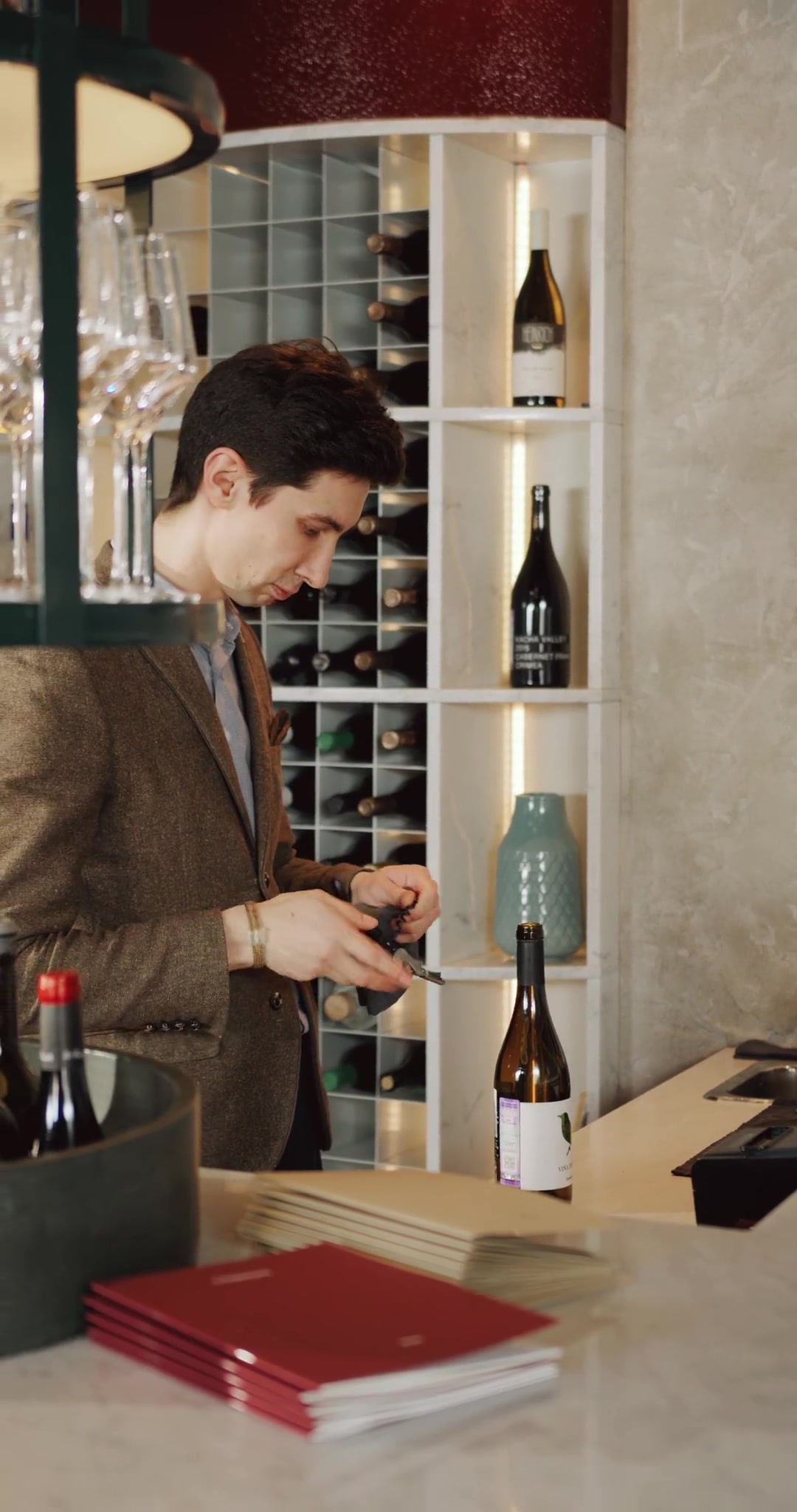
Two hours west of Aspen, the road drops out of the mountains into a high-desert valley of orchards and vineyards. This is Palisade, and the Grand Valley AVA — Colorado's primary wine region, producing roughly 80% of the state's wine grapes. The producers here are now winning Decanter scores in the high 90s, appearing on Forbes' top-ten Riesling lists, and showing up on Aspen wine lists by the glass. It is a real wine region. It is worth the drive.
The Grand Valley AVA is small — about thirty wineries clustered along a few miles of road in and around the town of Palisade. The combination of high desert heat, cool nights, sandstone mesas, and clay-rich soil produces wines that taste, as one local wine writer put it, "like they came from somewhere specific." Riesling, Syrah, Cabernet Franc, and the unusual varietals that thrive at altitude — Lemberger, Teroldego — are where Colorado is doing its best work. Don't expect Napa Cabernet. Expect something else.
The route from Aspen runs about two hours, mostly along I-70 west through Glenwood Canyon. Plan the trip as an overnight, not a day trip — you will want to taste at three or four wineries, eat at one of the good Palisade restaurants, and spend the night before driving back. The route below is what to do once you arrive.
The Wineries Worth the Drive.
- The Ordinary Fellow Currently the most talked-about producer in Colorado. The 2024 Riesling made Forbes' list of the top ten American Rieslings. The 2024 Syrah received a 96 from Decanter — the highest score ever given a Colorado wine. The tasting room is a former United Fruit Growers peach packing shed, with an "adopt a barrel" program where guests can claim their own barrel of wine. Easily worth the trip on its own.
- Sauvage Spectrum Boundary-pushing natural winemaking from a partnership that's reimagining what Colorado wine can be. Pét-nat (natural sparkling) is the signature; the rest of the lineup is over a dozen hand-harvested wines. Their pét-nat shows up by the glass at Aspen restaurants including Hooch.
- Colterris Estate-focused — 188+ acres of vineyards, all grapes grown on their own land. Two tasting rooms: the original on the eastern edge of town, and "The Overlook" up on a rise above the Colorado River. The Overlook is the photo stop. Light lunch service available; book in advance.
- Carlson Vineyards Family-owned for over 30 years, one of the most established names on the Western Slope. Reliable wines across a wide range — the Laughing Cat Sweet Baby Red is the casual party bottle, but the dry whites are the more interesting picks. Laid-back tasting room atmosphere; bring a dog.
- BookCliff Vineyards Founded by two engineers who discovered Palisade during a backpacking trip and decided to stay. The vineyards grow 14 different varietals — some rarely planted in the US. If you want to understand what's possible in Colorado wine, this is the most educational stop.
- Restoration Vineyards A consistent local favorite — knowledgeable hosts, an Aspen-style sense of hospitality, and a tasting room set in lovely surroundings. Often recommended as the best single visit if you only have time for one stop.
- Red Fox Cellars The wildcard. Unconventional approach to winemaking — they age in unusual barrels and lean into experimental flavors. The kind of stop that wine geeks gravitate to.
- Mesa Park Vineyards Live music on weekends, food trucks on the lawn, a casual outdoor tasting setting. Best September stop when the weather is at its best and the harvest energy is in the air.
- Stone Cottage Cellars Tasting room is, as the name suggests, a stone cottage — small, charming, and architecturally distinctive. Worth the side trip for the building and the family-business feel.
- Two Rivers Winery Worth noting: not technically in Palisade. Two Rivers sits in Redlands, on the west side of Grand Junction near the base of Colorado National Monument. Classic vineyard setting and the kind of place that photographs well. Often a starting point for first-time visitors before crossing east to Palisade proper.
How to Visit.
Palisade is one of the most compact wine regions in the United States. Most of the wineries above sit within a few miles of each other along the "Fruit and Wine Byway" — three bike-friendly routes (locals call them the Fruit Loops) that connect more than 25 wineries, tasting rooms, and vineyards. You do not need a designated driver if you do it right.
- By chauffeured car A Touch With Class runs the local wine-country chauffeur service — starting at $90 per hour. Best for groups of four to six who want to drink seriously without the driving logistics. Book ahead, especially in summer and early fall.
- By pedicab Palisade Pedicab offers bicycle-cart tours for groups of two to four — starting at $120 for 1.5 hours. The pedicab driver does the pedaling; you do the tasting. Unique to Palisade and a good story to take home.
- By float and taste Pali-Tours runs a "Water to Wine" service — starting at $145 per person — that pairs a float down the Colorado River with tastings at three wineries. The full-day option for visitors who want both the wine and the landscape.
- By bicycle For the self-sufficient: rent a cruiser from the Spoke and Vine Motel or Wine Country Inn and ride the Fruit Loop yourself. Most wineries are connected by quiet rural roads. Best in spring or fall, when the weather is mild.
Where to Stay.
- Wine Country Inn 80-room full-service hotel surrounded by vineyards and tasting rooms. Heated pool, on-site restaurant. The convenient option.
- Spoke and Vine Motel Newly renovated, dog-friendly, industrial-chic motel within walking distance of downtown. Complimentary afternoon wine tasting in the lobby, complimentary breakfast, free cruiser bike rentals. The hip option.
Where to Eat in Palisade.
If you are spending the night, the local food scene matters. Three notes:
- Pêche Chef-owner Matt Chasseur's small, eclectic, frequently-booked downtown restaurant. The dining destination in Palisade. Reserve in advance — most nights sell out. The menu is small and changes; trust the kitchen.
- Bin 707 Foodbar (in Grand Junction) Twenty minutes from Palisade. Chef Josh Niernberg is a 2026 James Beard Award nominee for Outstanding Chef. The wine list features small Colorado producers (Aquila Cellars, others) that don't always have their own tasting rooms. Worth the drive on its own.
- Palisade Pie Shop Casual stop for coffee, pies, salsas, and small-batch local goods. The right answer for a between-tastings break in the afternoon.
When to Go.
September is the locals' answer. The peach harvest is winding down, the grape harvest energy is in the air, and the weather is at its absolute best — warm days, cool nights, golden light. The annual Colorado Mountain Winefest happens in September; the entire region buzzes.
Shoulder seasons (April–May, October–November) are quieter. Fewer crowds, easier reservations, more relaxed time with winemakers themselves. Some tasting rooms operate on reduced hours or are closed Tuesdays and Wednesdays — call ahead.
Summer (June–August) is hot. Palisade sits in a high-desert valley; temperatures can reach 95°F. The wineries are still beautiful, but tastings move indoors at midday. Mornings and evenings on patios are when you actually want to be outside.
Winter is the quietest. Some tasting rooms are closed; others operate by appointment only. If you go in winter, plan ahead and lean on the bigger operations like Colterris and Carlson Vineyards that stay open year-round.
The Aspen Connection.
If the trip to Palisade isn't in the cards this visit, several Aspen restaurants are now pouring Western Slope wines by the glass. Watch for these names on wine lists:
—Sauvage Spectrum pét-nat at Hooch and selected restaurants. The first Colorado wine many Aspen visitors actually taste.
—The Ordinary Fellow Riesling and Syrah on the better wine lists, sometimes by the glass. Decanter's highest-ever Colorado scores.
—Aquila Cellars Pinot Noir from the North Fork Valley — Colorado's best Pinot. No tasting room of their own, but the wines appear on serious lists.
And in the Aspen wine shops, ask Of Grape & Grain specifically — the owner stocks Colorado wines worth knowing about, and will explain what makes each producer worth the bottle.
· Read Next ·
The Aspen Wine Guide.
The cellars, the wine bars, the bottle shops, and the Food & Wine Classic — how to drink wine in Aspen itself.
View the Aspen wine guide →