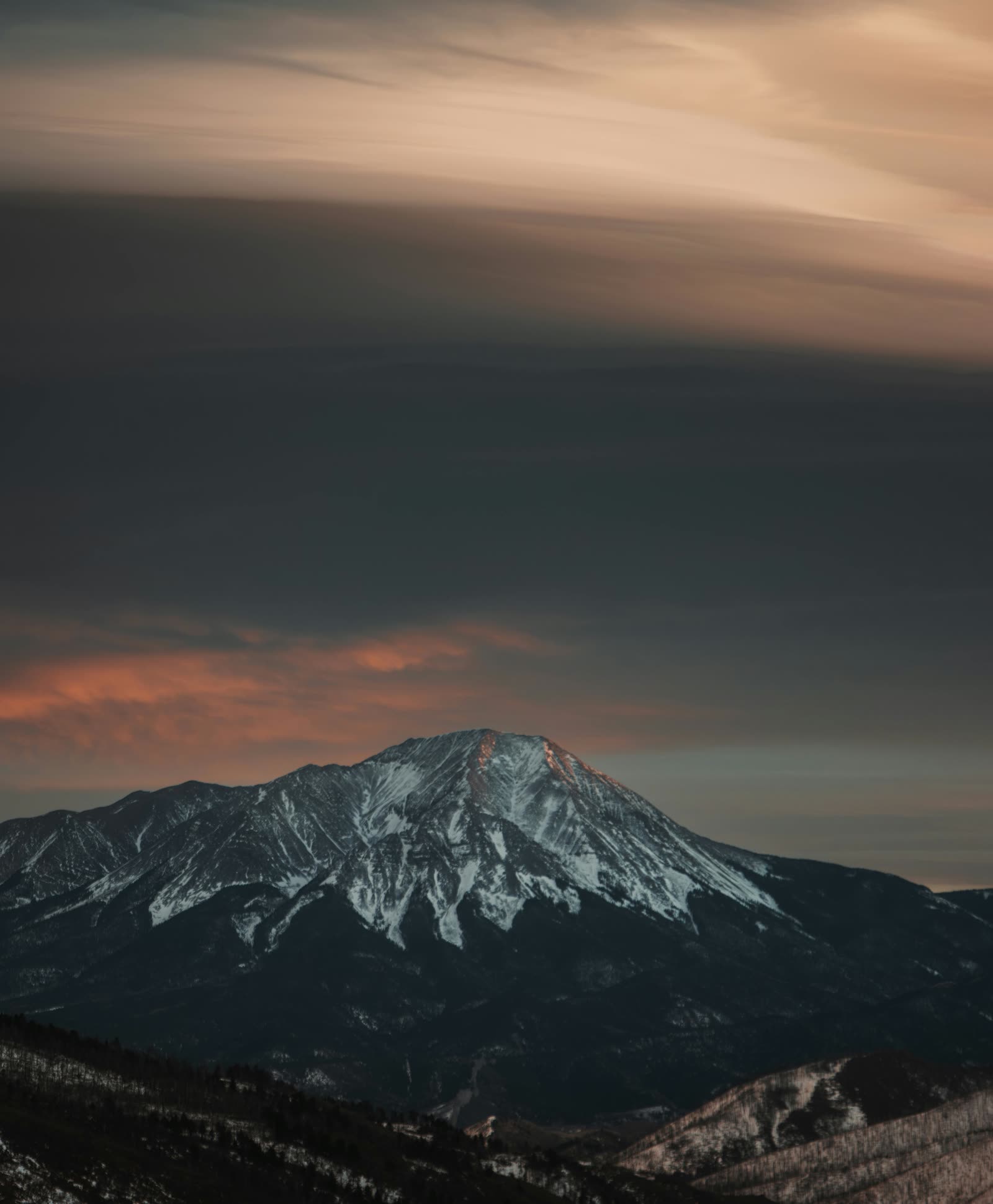
The four Aspen seasons are not equal. The brochures say "year-round destination," and that is true — but only in the sense that Aspen is open all year. The calendar is much more pointed than the marketing admits, and a week's difference in your timing changes the trip more than your hotel choice.
Aspen has two genuine high seasons, two genuine shoulders, and two stretches when much of the town simply closes. Hotel prices triple between the off-weeks and Christmas Week. Some of the best restaurants take a full month off. The Maroon Bells road is closed for half the year. Two specific weekends — the JAS Labor Day Experience in early September and Christmas Week in late December — are the most expensive lodging windows of the entire calendar. Three other weeks (mud season in May, the brief late-October pause, and early November) are when the town partially shuts down. Knowing where you are in this calendar is the most important planning decision you will make.
Below: the full year, honestly, with a tag for what kind of week each is.
Winter.
· December – April ·
December
Peak · Christmas Week
Ski areas open by Thanksgiving (Aspen Mountain and Snowmass first, Highlands and Buttermilk usually mid-December). The first three weeks of December are quiet — the locals' favorite winter window, with fresh snow building and minimal crowds. Then Christmas Week arrives: from December 20 through January 2, Aspen runs the most expensive lodging window of the year. Hotel rates triple, restaurant reservations vanish, and the population of town effectively doubles. The 12 Days of Aspen programming and New Year's Eve fireworks are the marquee events. If you can come in early December instead, do.
January
Peak Ski
Coldest month of the year (typical highs 30°F, lows 5–15°F, sometimes much colder). Heavy snow, full ski operations. Wintersköl (mid-January) and Aspen Gay Ski Week (mid-month) are the major events; the X Games at Buttermilk are late month. Prices remain high through MLK weekend, then drop slightly through the rest of the month. The mid-week, mid-January window is one of the best value/quality combinations of winter.
February
Peak Ski
The most consistent powder month. Lots of fresh snow, full lift operations, busy on weekends but manageable midweek. Presidents Day Weekend (mid-month) is a mini-peak. Slightly warmer than January but still genuinely cold — highs around 30°F. Best month for serious skiers who don't care about events.
March
Peak Ski · Best Powder
Historically the snowiest month. Longer daylight, warmer afternoons, and consistent snow — many locals' favorite skiing month. Spring Break crowds the first two weeks, particularly the family-oriented Snowmass. Last week of March transitions toward shoulder pricing.
April
Shoulder · Spring Skiing
Ski areas typically close around April 12 (Aspen and Buttermilk usually first weekend of April, Highlands and Snowmass second weekend). Closing weekend at Snowmass is a celebrated event with live music. The first ten days of April are the best deals of the ski season — lift tickets discounted, hotels softer, dining reservations accessible, and the snow is often great. After ski areas close, the second half of April is genuinely quiet.
Mud Season · Spring.
· May – mid-June ·
May
Mud Season
Officially: shoulder. Locally: off-season. Ski lifts are closed, summer hasn't really started, hiking trails are muddy from snowmelt, the Maroon Bells road may still be inaccessible. Many independent restaurants take their annual two- or three-week closure here. The town is genuinely quiet, and lodging is at its absolute cheapest. If you want quiet Aspen with low prices and don't mind that the marquee attractions aren't open, late May is a hidden gem. Maroon Creek Road reopens by May 15; RFTA shuttle starts May 22.
Early June
Shoulder · Pre-Festival
Maroon Bells fully open, trails dry out (mostly), wildflower season begins, weather warms. The week before Food & Wine (June 12–18) is one of the best summer values — the town is open and beautiful, but the festival prices haven't kicked in. Restaurants are taking reservations easily.
Summer.
· Mid-June – August ·
Late June
Peak · Festival Stack
The most expensive summer window after JAS Labor Day. Food & Wine Classic (June 19–21), JAS June Experience (June 25–28), Aspen Ideas: Health (June 22–25), and Aspen Ideas Festival (June 25 – July 1) all stack into one ten-day stretch. Hotels are sold out months in advance, restaurants are impossible without long lead reservations, and rates roughly triple. This is also Aspen at its busiest and most cosmopolitan — every venue is operating, every chef is in town, every theatre and music series is running. If you can afford it, it is the most concentrated week of the calendar.
July
Prime Summer
The bulk-summer month — full wildflower meadows, 70-degree afternoons, every trail open, Theatre Aspen and Aspen Music Festival both in mid-season. Independence Day brings the parade. Reservations are still tight, but slightly easier than late June. The first half of July is the calendar peak for visitors who want classic summer Aspen without the specific big-event surcharge.
August
Prime Summer
Wildflowers transition to high-altitude alpine. Mountainside Music Festival (Aug 7–8) and Theatre Aspen's run of Grease (Aug 1–29) anchor the month. Afternoon thunderstorms become more frequent — hike early. Slightly cooler than July at higher altitudes (the Bells are pleasant at midday). Reservations open up somewhat compared to late June.
Fall.
· September – October ·
Early September
Peak · Labor Day Weekend
The single most expensive lodging weekend of summer. JAS Labor Day Experience (Sept 4–6) brings 10,000+ attendees to Snowmass Town Park for three days of major-act concerts. Hotels in Snowmass go first, but the spillover into Aspen sells out everything in town. Book by March if you want to come for this. After Labor Day passes, prices drop sharply for two weeks.
Mid-September
Shoulder · Best Value
The locals' favorite summer week. Sept 7–24. Festivals are over, rates drop, restaurants take reservations easily, and the aspens haven't quite turned yet but the air is crisp and the trails are dry. The post-Labor Day, pre-foliage window is consistently the best value of the warm-weather calendar.
Late September – Early October
Prime · Foliage
Peak fall foliage. The aspen groves on Aspen Mountain, Castle Creek, Maroon Creek, and along Independence Pass turn solid gold for roughly two weeks. Exact dates vary by year — typically September 22 through October 7, but it can shift a week in either direction. Prices climb again for the foliage weekends. The Snowmass Balloon Festival (Sept 25–27) and Snowmass Oktoberfest (Sept 26–27) plus Golden Leaf Half Marathon (Sept 26) anchor the calendar.
Mid-October
Shoulder
Leaves have fallen. Maroon Bells shuttle ends October 18. Hiking still excellent, weather still mostly mild, and prices drop again for the last two weeks of October. Independence Pass closes sometime in late October or early November with the first significant snow.
The Closure.
· Early November ·
November
Off-Season · Many Closures
First three weeks of November are the second mud season — too late for fall hiking, too early for skiing. Many restaurants close for their annual break (often two to three weeks). Lodgings are cheap but a number close as well. Thanksgiving Week usually marks ski-season opening at Aspen Mountain and Snowmass, and the town wakes up. The week between Thanksgiving and Christmas (early December) is the locals' favorite winter window — fresh snow, mild crowds, and prices haven't fully spiked yet.
The Booking Math.
· Lead times ·
· How far ahead to book ·
-
Christmas Week (Dec 20 – Jan 2)
12 months out for downtown Aspen, 9 months out for Snowmass. Some properties open booking for the following Christmas the day after this Christmas ends.
-
JAS Labor Day Weekend (Sept 4–6)
6 months minimum. Snowmass sells out before Aspen. After Labor Day Sunday is genuinely impossible last-minute.
-
Food & Wine + JAS June + Aspen Ideas (June 19 – July 1)
4–6 months. The Aspen Institute has a preferred-rate hotel program for Ideas Festival attendees — worth using if you have a pass.
-
Fall foliage weekends (mid-Sept to early Oct)
3 months. Saturday nights tighter than Sundays.
-
Shoulder weeks (early Dec, Apr, May, Sept 7–24, mid-late Oct)
2–4 weeks. Often last-minute deals available.
-
Mud season (May, Nov)
Walk-up. The challenge is finding lodging that is open, not booking it.
The Short Version.
· If you only read one paragraph ·
Best value: September 7–24, the post-Labor Day window. Locals' favorite. Best foliage: September 22 – October 7, with the exact dates a year-by-year guess. Best skiing: February and March. Best skiing + value: early April. Most concentrated culture: late June, with Food & Wine, JAS, and Ideas stacking. Quiet and cheap: late May or mid-November, with the caveat that a significant share of the town will be closed. Most expensive: Christmas Week by a wide margin, followed by Labor Day Weekend. Avoid if possible: early November, when there's nothing to do and many places are closed.